
Chapter III
People
People are not problems. Problems are problems.
Addiction & Recovery
An Attempted Solution
Addiction is one of the clearest examples of why understanding must come before fixing.
An addiction can devastate a person, a marriage, a family, a career, and a community.
That does not mean it began as an attempt at destruction.
Very often it began as an attempted solution.
It numbed something.
Quieted something.
Created belonging.
Reduced anxiety.
Helped someone sleep.
Made shame disappear for a while.
Understanding the function of a behavior does not excuse its consequences. It helps us understand what recovery must eventually replace.
Because if a behavior was solving something, removing it leaves an absence — and the absence must be filled with something more durable.
- Connection.
- Community.
- Honesty.
- Structure.
- Responsibility.
- Meaning.
- Healthy pleasure.
- Spiritual life.
- Repair.
- Purpose.
- A future worth remaining present for.
Recovery is larger than the removal of a substance or behavior.

Pastoral Intervention
A Crisis Is Rarely One Problem
Some situations do not fit neatly into a professional category.
A marriage crisis may involve betrayal, addiction, parenting, trauma, money, faith, therapists, physicians, attorneys, extended family, and years of unresolved pain.
That is not one problem. It is a system.
Pastoral intervention helps us look at the larger picture, identify what belongs to whom, reduce unnecessary escalation, and develop practical next moves.
It is offered as non-licensed pastoral work grounded in faith, spiritual guidance, and relational support — not as a substitute for clinical therapy, medical treatment, or licensed mental health services. Engagement with licensed professionals is encouraged and fully supported.
Instead of “you are the problem,” we begin with: there is a problem. Let’s understand it together.

Objectify Problems, Not People
The Distinction That Keeps Curiosity Alive
People are not problems. Problems are problems.
That distinction becomes surprisingly difficult to maintain when life becomes painful.
“He is an addict.”
“She is impossible.”
“He is broken.”
“She is the problem.”
“They are toxic.”
When the person becomes synonymous with the problem, curiosity disappears.
A better approach is to move the problem out where everyone can see it — something we can examine without reducing a human being to the worst thing happening in their life.
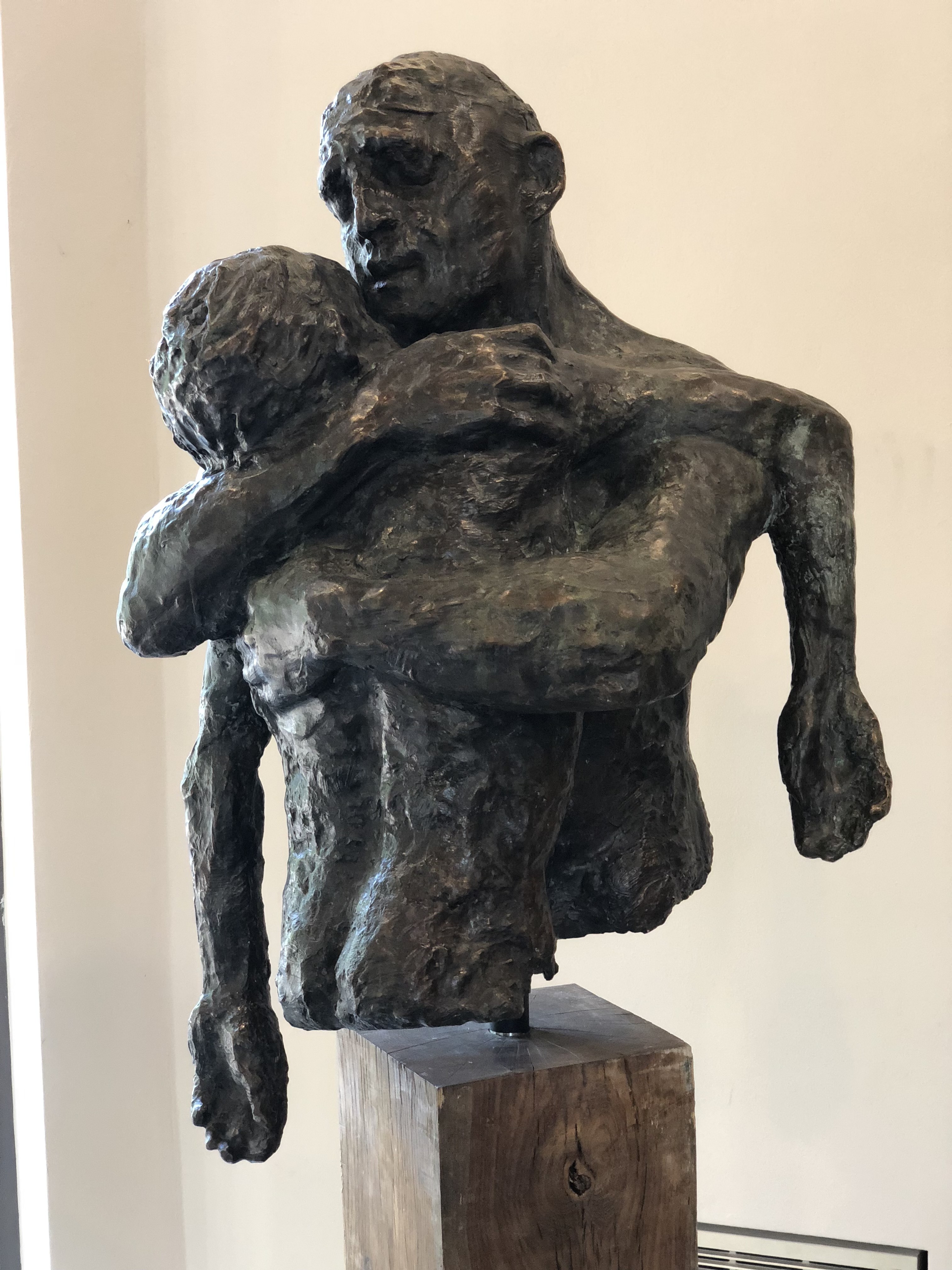
The weight stays a person the whole way.
Faith
Faith Without Denial
My faith does not require me to pretend that everything is fine. It has never asked me to look away from difficulty.
It has asked me to remain present to it — to stay curious, to keep the dignity of the person in view, and to believe that meaning is still being made even when the situation is unresolved.
Hope that requires denial is fragile. Hope that can look directly at what is true is considerably harder to break.


Mentoring
One Day Ahead
Mentoring is not about standing on a mountain above someone else.
Sometimes you only need to be one day farther down the road.
Good mentors remember the bend in the road you are approaching.
They have made a version of the mistake you are about to make, and they can say so without shame.
- Leadership.
- Entrepreneurship.
- Career transition.
- Young-adult development.
- Parenting.
- Marriage and relationships.
- Identity and vocation.
- Spiritual formation.
- Personal strategy.
- Recovery after failure.
- Creative work and writing.
- Legacy, and the next chapter of life.
Creative Midwifery
Not Everything Difficult Is Broken
Some things need to be fixed. Other things need to be born.
A book, a film, a business, a second career, a ministry, a body of work — these are not malfunctions to be repaired. They are things trying to come into existence.
A midwife does not create the birth. She recognizes what is happening, keeps everyone calm, watches for genuine trouble, and helps the process do what it is already trying to do.
A stalled book is often not a failed book. It is frequently three good books trying to occupy the same manuscript.
What is trying to emerge here?