
Chapter II
Language
We do not merely react to events. We react to what events signify.
Writing
Finding Language for What We Already Know
Writing has accompanied much of this journey.
My published work has included a column in Parents magazine, a contributed book chapter, and other forms of magazine, teaching, pastoral, and long-form writing.
But writing has never been merely the packaging stage after the thinking is finished.
Writing is part of the thinking.
There are things I do not know that I know until I try to put them into words.
Writing slows thought down enough to examine it.
A sentence can expose an assumption.
A metaphor can reveal a connection.
A story can carry an idea farther than an explanation.
Sometimes the most useful thing I can offer another person is not an answer.
It is a sentence.
Something that gives language to an experience they have lived for years but never quite known how to describe.
When the language becomes clearer, the experience often becomes more workable. That interests me enormously.
Story
We Live in More Than Events
Facts matter. But human beings do not live on facts alone.
We live inside stories.
We remember beginnings and endings.
- Heroes and villains.
- Betrayals.
- Rescues.
- Failures.
- Turning points.
- Things that should never have happened.
- Things we believe should have happened and did not.
Then we use those stories to explain who we are.
Sometimes accurately. Sometimes cruelly.
Sometimes we have been telling one interpretation of an event for so long that we have forgotten it is an interpretation.
This is one reason story has become so important in my mentoring and pastoral work.
Changing a story does not mean changing history. It means becoming curious about whether history has been given the only interpretation it can possibly bear.
Sometimes an old story contains more grace than we thought.
Sometimes more grief.
Sometimes more responsibility.
Sometimes far more courage.
Photography
Learning to Notice the Frame
Photography taught me to look differently.
A camera introduces a deceptively simple question:
What belongs in the frame?
Move six inches and the picture changes.
Wait thirty seconds and the light changes.
Change the lens and what appeared insignificant becomes the subject.
Nothing in the scene necessarily changed. What changed was attention.

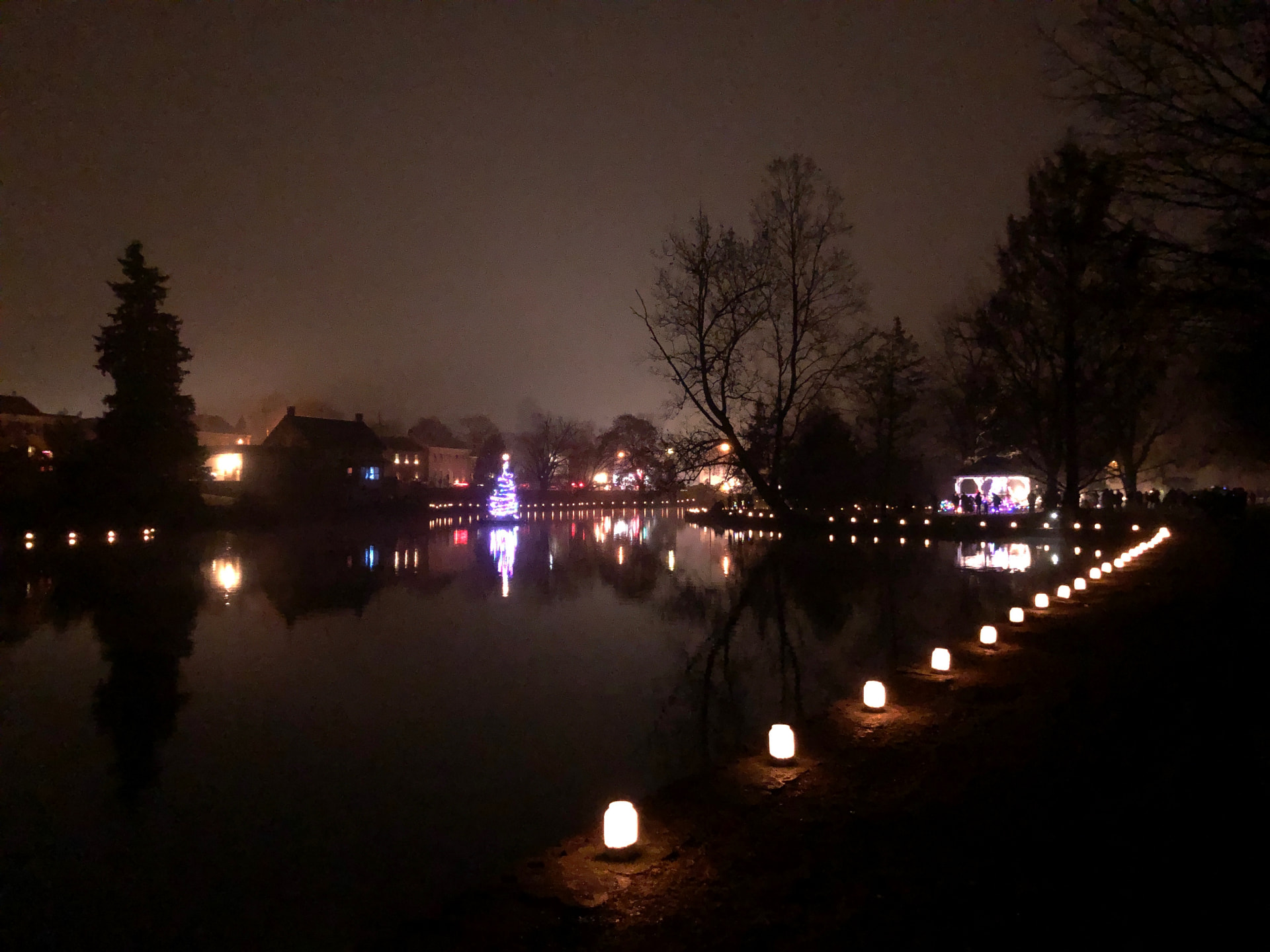
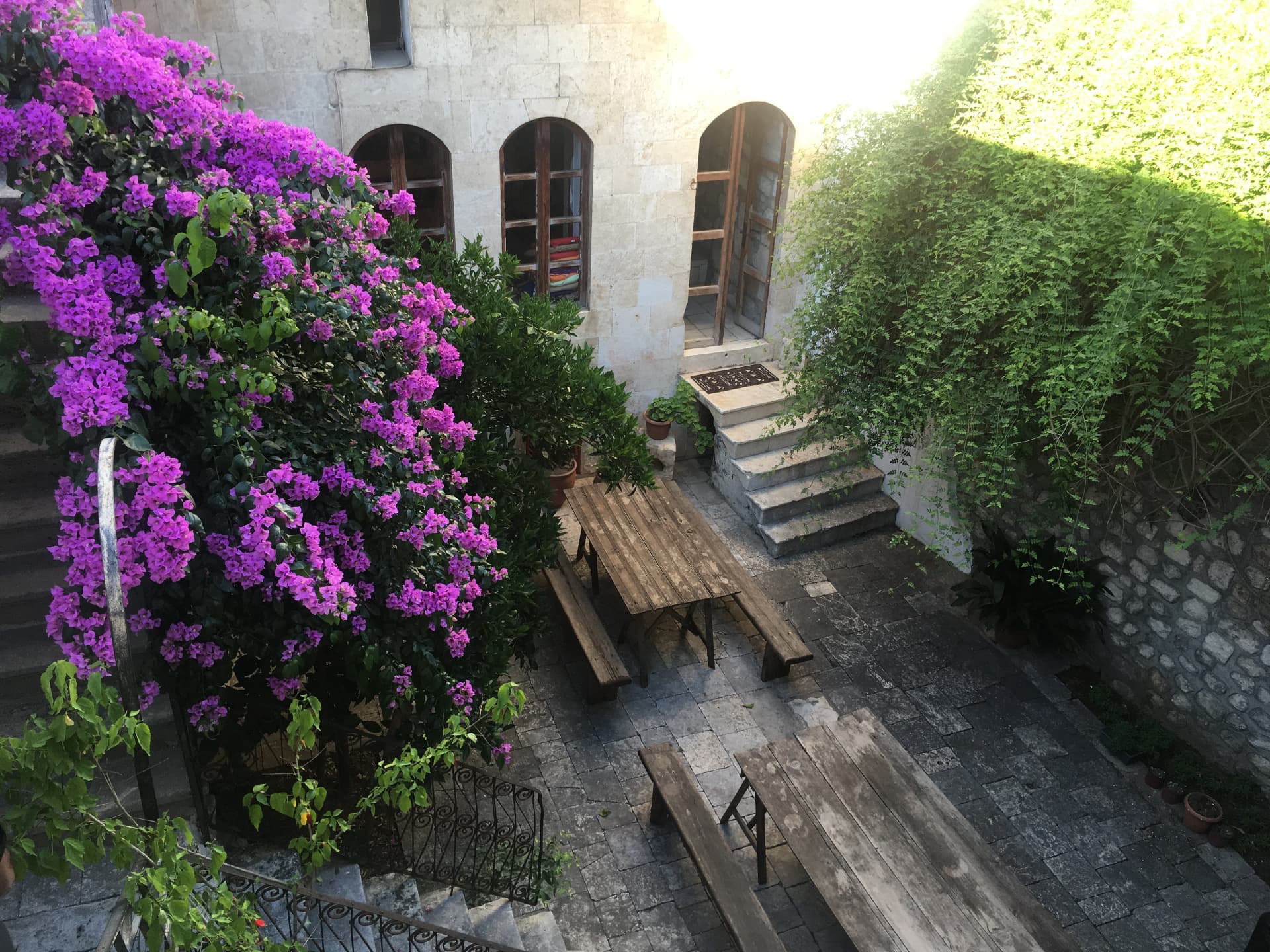
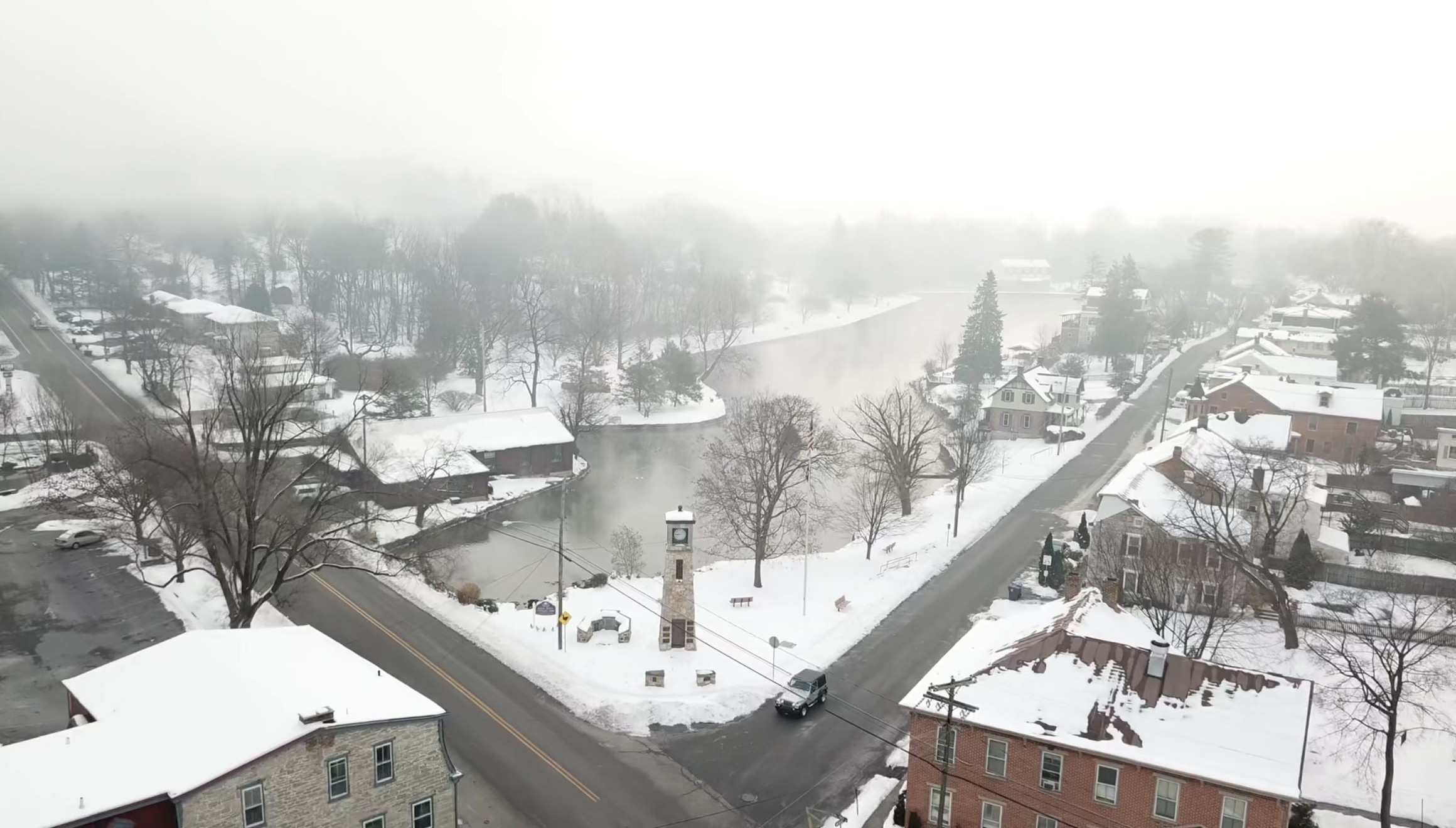
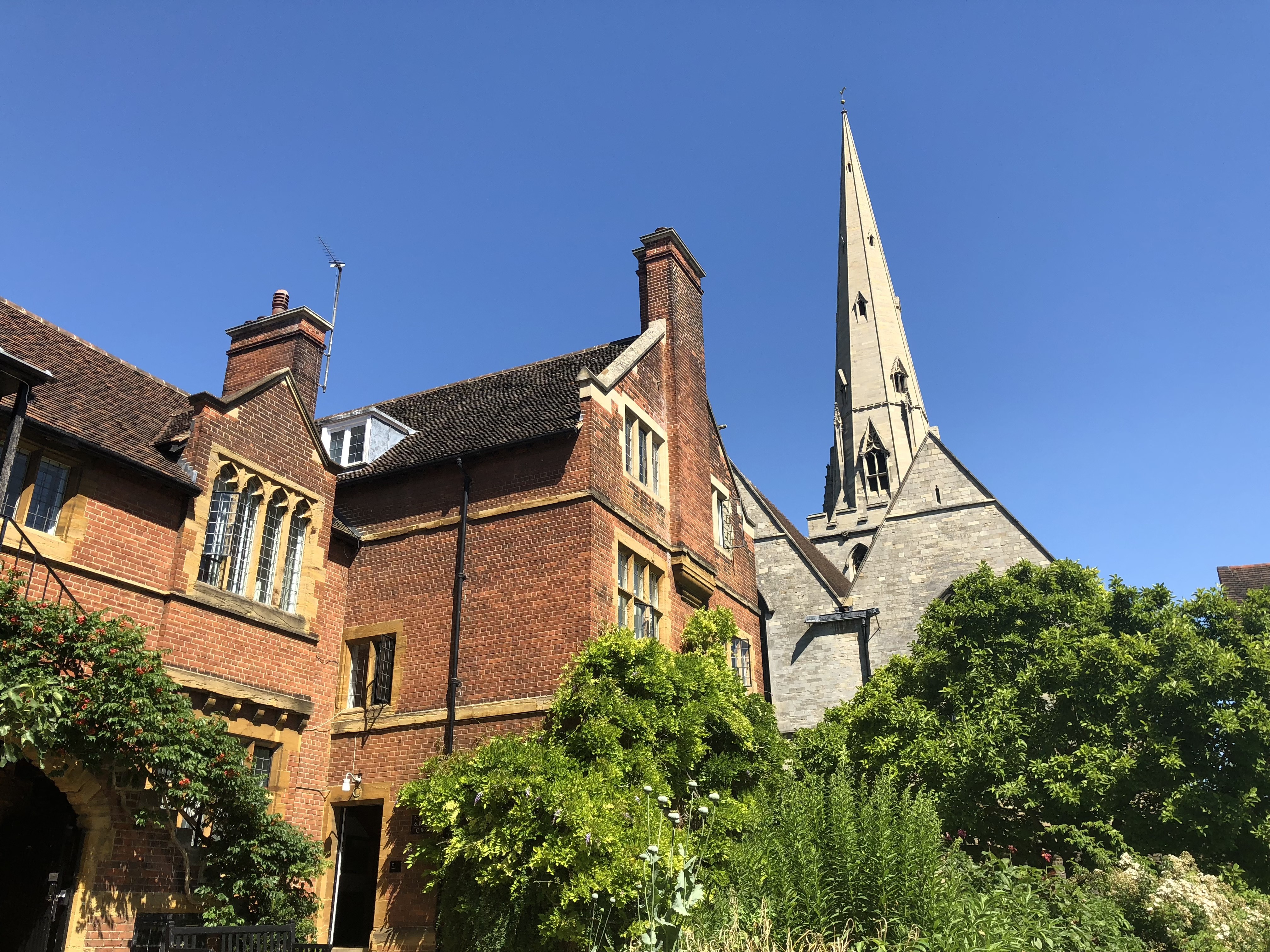
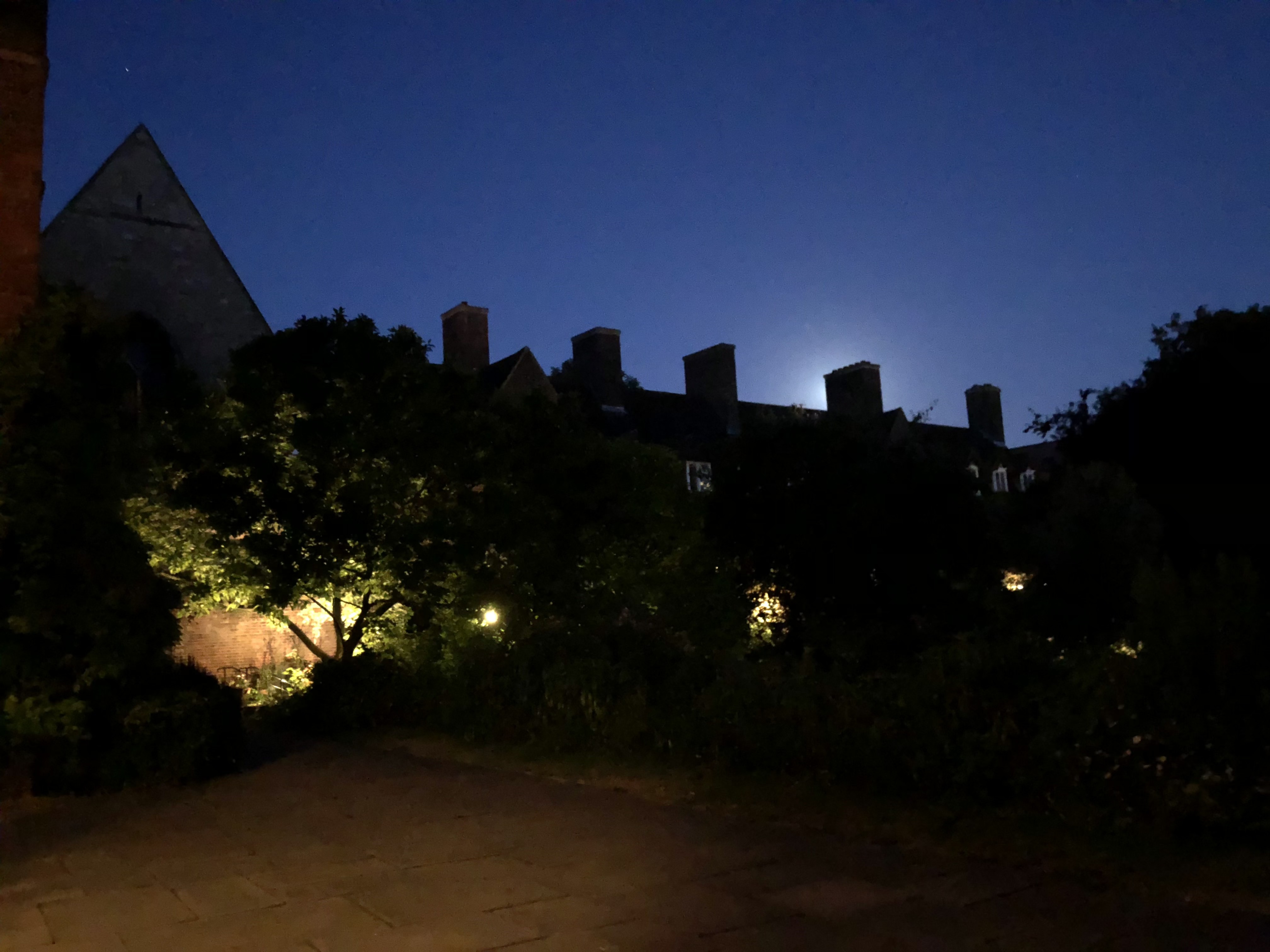
Same walls, twelve hours apart.

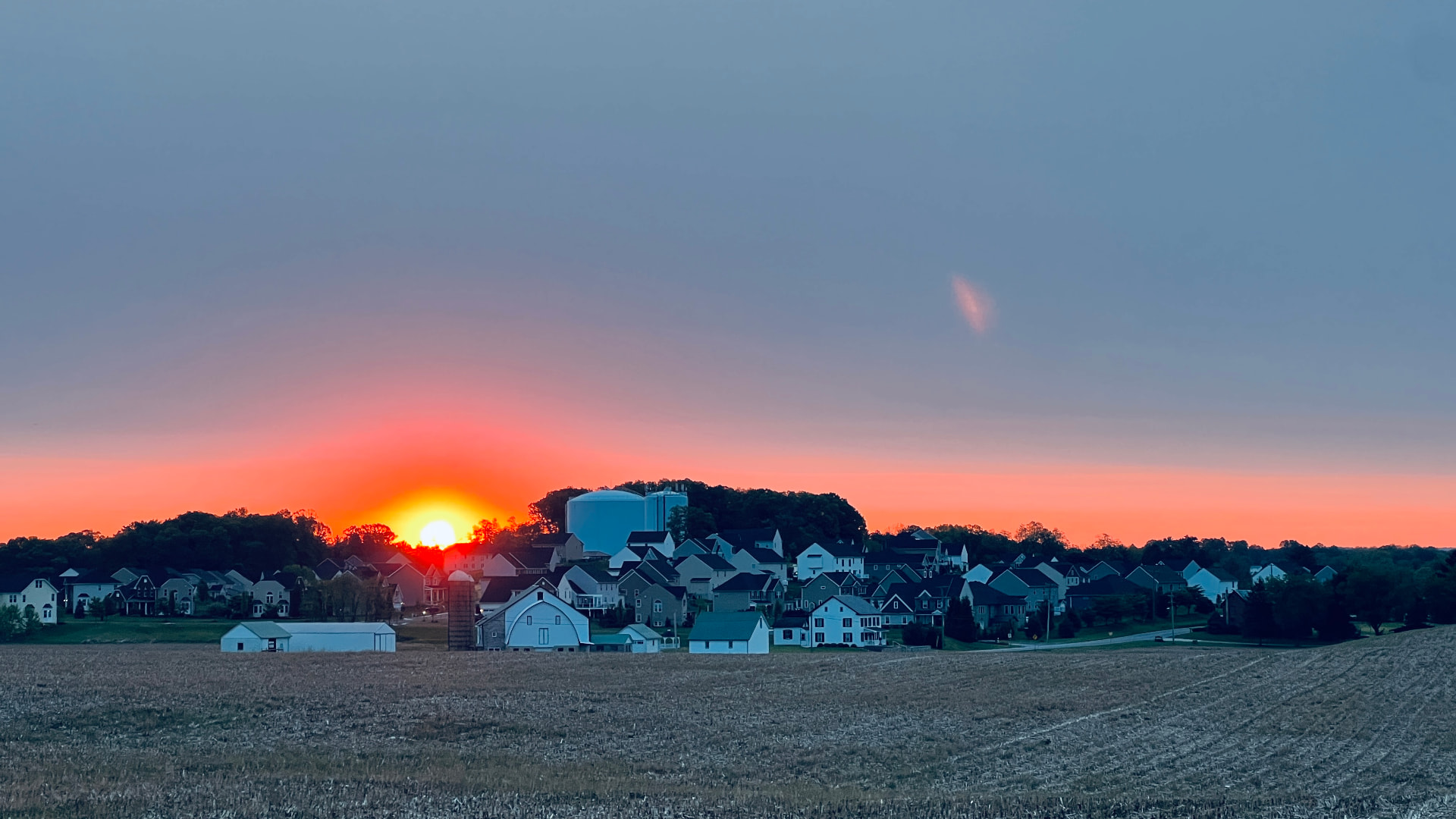
The frame is a decision about what deserves attention.
Photography taught me that seeing is not passive.
We select.
Frame.
Exclude.
Emphasize.
Interpret.
That has become a powerful metaphor for human experience.
Sometimes we are not suffering only from what happened.
We are suffering because the frame has become so tight that we can no longer see anything else.
A larger frame does not make pain disappear. It puts the pain somewhere. And sometimes that makes an enormous difference.
Film & Video
Some Things Need to Be Seen and Heard
Writing preserves language. Film preserves presence.
There are things a transcript cannot quite hold.
- The pause before someone answers.
- The expression that crosses a face.
- The laugh that unexpectedly interrupts grief.
- A voice changing while an old story is told.
- The room.
- The weather.
- The silence.
For that reason, film and video have become increasingly important in my creative and mentoring work.
Sometimes I encourage people to record before they know what the material will become.
A story from a parent.
A conversation with a mentor.
A professional memory.
A family history.
An explanation of something only one person knows how to do.
An unfinished idea.
Do not wait until you know whether it is a documentary, a book, a teaching series, or a family archive.
Capture it. Form can come later.
Presence cannot always be recreated.
Semiotics
The Meaning Around the Thing
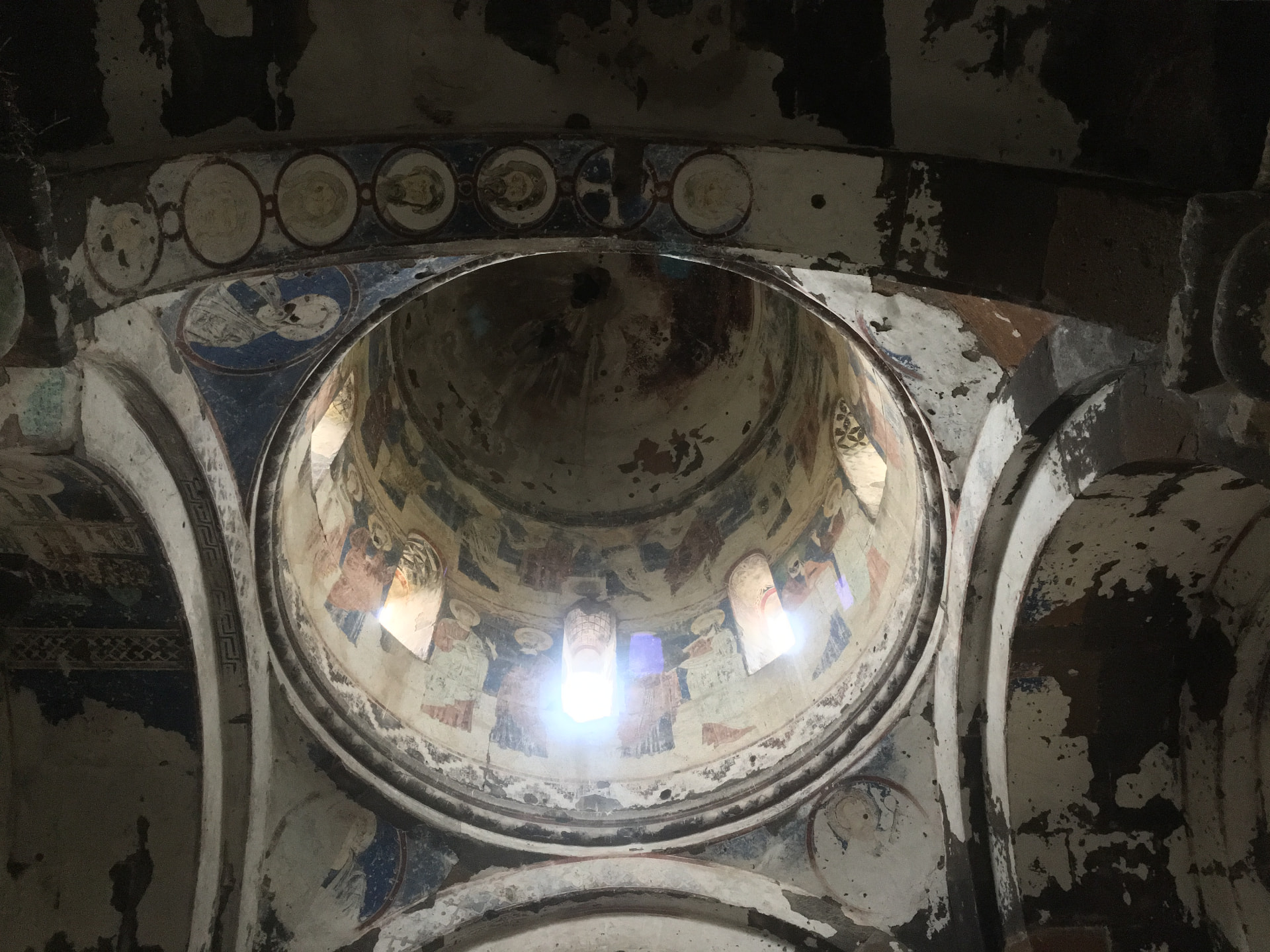
Semiotics gave me a formal language for something that had interested me for years:
How meaning is made.
Words are signs. Images are signs.
- Objects carry meaning.
- Rituals carry meaning.
- Clothing.
- Architecture.
- Movies.
- Songs.
- Metaphors.
- Religious symbols.
- Family phrases.
- The strange expression somebody's father used forty years ago that still controls the room.
We do not merely react to events. We react to what events signify.
That distinction can be enormously useful.
A forgotten anniversary may signify: “I am not important.”
A disagreement may signify: “You are going to leave.”
A request for help may signify: “I have failed.”
A child growing independent may signify loss to one parent and success to another.
Understanding the sign beneath the event can change the entire conversation.
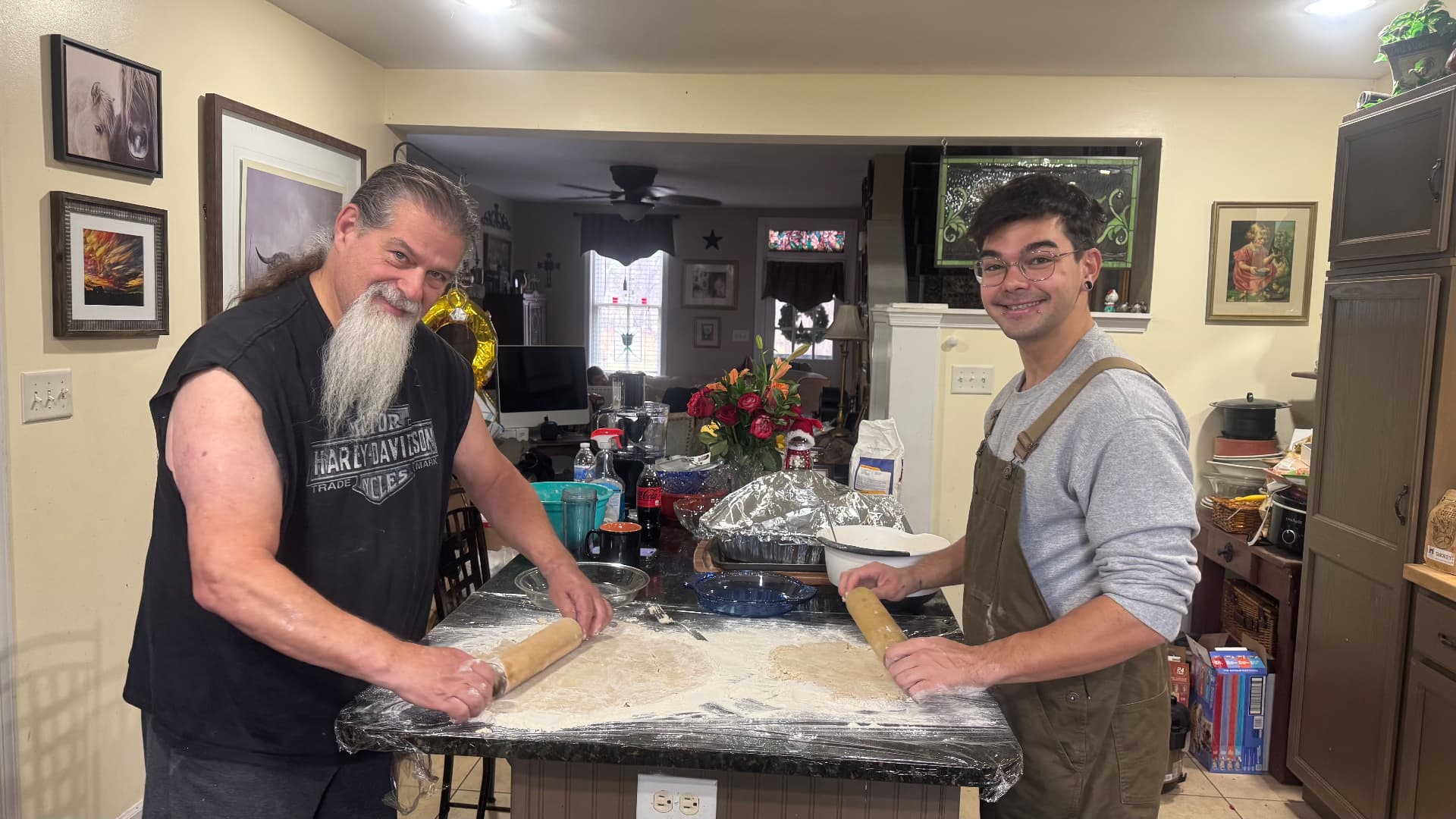
A ritual is a sentence a family keeps saying with its hands.